

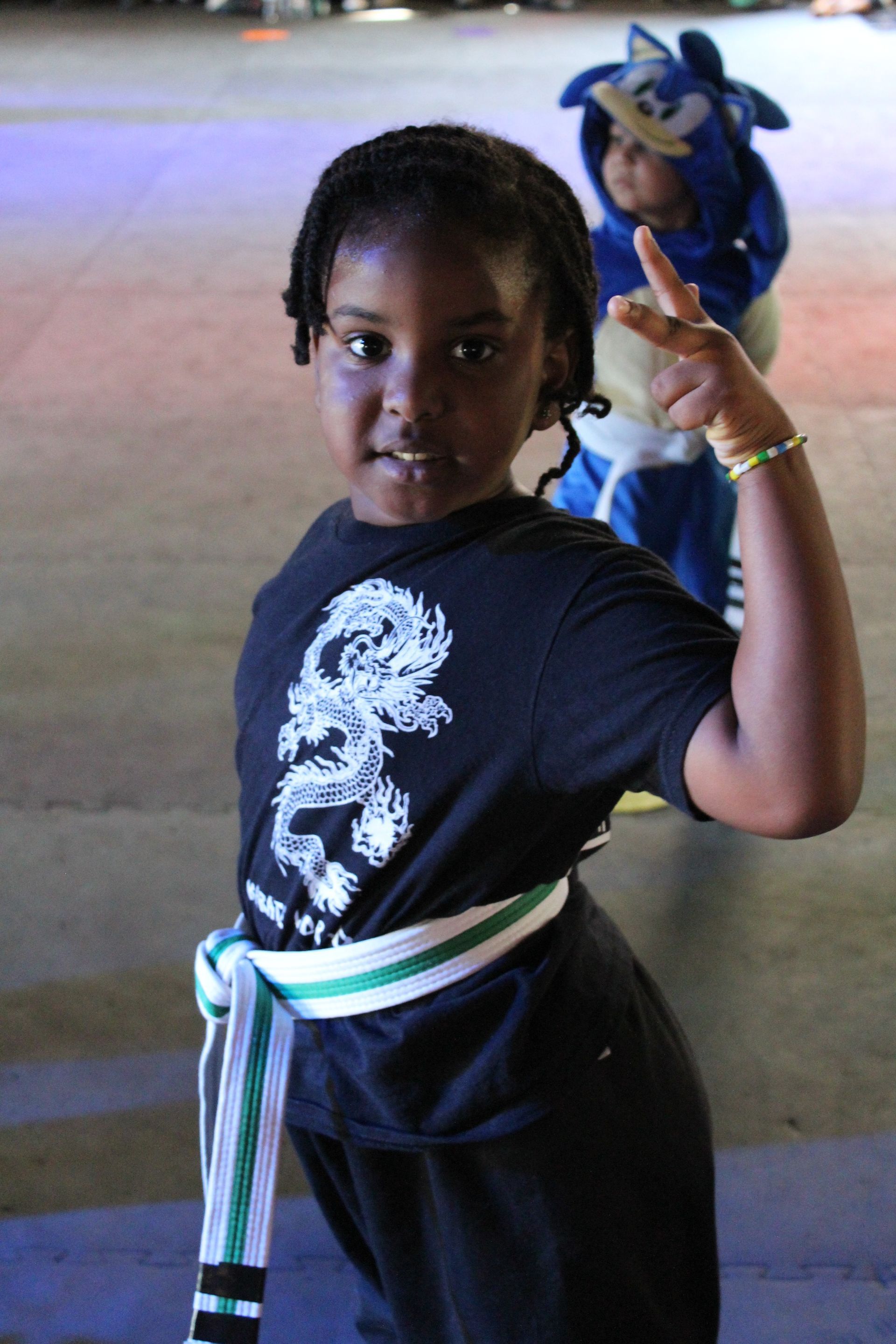
The right program can turn after school energy into focus, confidence, and safer decision making in everyday situations.
Enrolling your child in Youth Karate is a big decision, and we know it usually comes with a mix of hope and practical questions. You want a program that helps your child get stronger and more confident, but you also want training that feels safe, age appropriate, and genuinely well run. In Kenilworth, NJ, families are also juggling packed schedules, school demands, and a real desire for structured activities that do more than just burn energy.
We design our Youth Karate classes to support the whole child, not just the physical side. Research on martial arts programs consistently links karate training with improvements in balance, strength, flexibility, and overall fitness for kids, with longer programs showing especially strong results. Studies also connect traditional karate practice with better emotional control, improved peer interaction, and increased confidence, including noticeable changes for children who start out shy.
This guide breaks down what you should know before you enroll, what progress typically looks like, and what to look for in the class experience so you can feel confident about your next step.
Why Youth Karate is growing fast and what that means for your child
Youth martial arts participation has been climbing, especially in the years after the pandemic when many families started prioritizing structured, in person activities again. The appeal makes sense: kids need movement, but many parents want movement with a purpose. Youth Karate provides an organized setting where kids practice coordination, listening skills, and self control in a way that feels active and engaging.
Growth also means expectations have changed. Parents are not only looking for techniques. You are likely looking for a program that supports mental health, teaches respect, and helps your child handle social pressure without turning into a lecture. We keep that in mind every time we plan classes, because kids can tell when a program is just filling time versus building skills.
The real benefits parents usually notice first
A lot of benefits show up in small, everyday moments, not just during class. You might notice your child standing a little taller, making eye contact more easily, or sticking with a tough task longer than usual. Those changes often come from repetition, structure, and the simple experience of learning something that feels challenging but achievable.
From a physical standpoint, karate training supports athletic development in a broad way. A major reason is that it does not rely on just one movement pattern. Kids work stances, stepping, controlled kicks, basic hand techniques, and balance drills, which translates well to other sports and to general coordination.
From a psychological and social standpoint, studies on traditional karate programs have linked training to improved emotional regulation, discipline, and peer relationships for children around elementary school age. Many parents report positive social changes like reduced shyness and better self expression. We see those shifts often, and it is one of the most rewarding parts of teaching.
What age is right and how we group kids for success
Youth Karate works best when instruction matches a child’s developmental stage. A five year old and an eleven year old can both learn karate, but the way we teach them should look different. Younger kids need shorter activity loops, more games with structure, and very clear expectations. Older kids can handle more detailed technique work, longer drills, and more personal responsibility.
When you look at a class, pay attention to whether the pace fits the kids in the room. If children look lost, bored, or overwhelmed, progress becomes harder. Our goal is to keep kids engaged while still holding a clear standard for listening, effort, and safe behavior.
Safety first: how injuries happen and how we reduce the risk
One of the most common parent questions is about injuries, and it is a fair concern. Any athletic activity has risk, and martial arts can sound intimidating if you picture constant contact. In reality, injury risk tends to rise most in competitive settings or when supervision and structure are weak. Reviews in primary care and youth sports medicine generally emphasize that the benefits outweigh risks when training is properly supervised and age appropriate.
We approach safety in layers. First, we emphasize fundamentals before intensity. Good stances, controlled movement, and clear spacing in the room prevent most issues. Second, we teach contact rules carefully, and we do not rush kids into sparring behaviors before readiness. Third, we treat respect as a safety skill. A child who listens, stops when told, and controls power is far less likely to get hurt or hurt someone else.
A simple safety checklist you can use before enrolling
- Ask how beginners are introduced to partner work, including how we teach distance, control, and stopping on command
- Confirm that instructors actively supervise, correct form, and manage the pace instead of letting kids drift
- Look for a class culture where respect is practiced, not just talked about, because attitude directly affects safety
- Notice whether warm ups and mobility work are built into class so kids are not jumping into techniques cold
- Make sure expectations for protective gear and contact level are explained clearly for each age group
Confidence and discipline: what karate can build and what it cannot
Karate can build confidence, but not the loud, performative kind. More often, it builds quiet confidence: the sense that your child can handle challenges without melting down or giving up quickly. That comes from doing hard things repeatedly, getting feedback, and gradually seeing improvement. It is not instant, and it should not be treated like a magic switch for behavior.
Discipline works the same way. We use routines, respectful language, and consistent standards so kids know what to expect each class. That consistency matters. When kids learn that the rules are steady and the rewards come from effort, discipline becomes a skill, not a punishment.
Research supports these outcomes. Studies on youth karate have reported improvements in self confidence, emotional control, and social interaction, including benefits for children who struggle with shyness. Parents often tell us the changes show up at home during homework time, chores, or sibling conflicts. Not perfectly, of course, but noticeably.
Bullying, self defense, and the difference between safety skills and fighting
Many Kenilworth parents ask about bullying, and the best answer is that Youth Karate can help, but the focus should be broader than physical techniques. We teach awareness, posture, and decision making, because those are the skills that often prevent problems before they escalate. Kids learn to recognize unsafe situations, set boundaries, and use their voice clearly.
Physical self defense concepts matter too, but for children we frame them through control and responsibility. A strong program should never encourage kids to pick fights. We reinforce that karate is about protecting yourself and others, staying calm, and getting to safety.
When children feel more capable and more aware, bullying dynamics can shift. Research in martial arts programs has associated training with reduced aggression and better self control, which supports a healthier social approach overall.
What a typical beginner path looks like and how long it takes
Parents often want a timeline, and we understand why. You are investing time and energy, and you want to know what progress should look like. In our experience, most kids can start feeling comfortable within a few weeks, especially if they attend consistently. More visible changes in coordination, confidence, and focus tend to show up over a few months.
Longer term studies on karate programs show that sustained training can produce significant improvements in fitness qualities like balance, strength, endurance, and flexibility. Consistency is a big factor. Two classes per week is a realistic starting point for many families, and it gives kids enough repetition to build real skills without feeling overwhelmed.
### A practical way to track progress at home
1. Month 1: Watch for comfort in class routines, listening, and basic coordination like stance and stepping
2. Months 2 to 3: Look for better balance, stronger attention during drills, and increased willingness to try hard things
3. Months 4 to 6: Expect clearer technique, improved conditioning, and more confidence speaking up or demonstrating skills
4. Ongoing: Notice maturity in how your child handles feedback, frustration, and peer interactions
How we keep kids engaged without turning class into chaos
Kids learn best when class feels structured and alive at the same time. We use variety on purpose, rotating between skill work, movement drills, and carefully controlled partner exercises. That rhythm keeps attention from drifting, especially for younger students.
We also know that motivation changes week to week. Some days your child walks in excited. Some days your child is tired, hungry, or a little moody, and that is real life. Our job is to create a steady environment where effort is expected but kids still feel supported. When children feel safe to try, they improve faster.
What to ask about schedules, make up classes, and family logistics
Karate only works if it fits your weekly rhythm. Before enrolling, it helps to look at the class schedule and think through transportation, homework windows, and dinner time. A program can be excellent, but if getting there becomes stressful, it is hard for your child to build momentum.
We aim to make our schedule clear and realistic for Kenilworth families, and we encourage you to start with a pace you can maintain. Consistency beats intensity in youth training. It is better to attend twice a week reliably than to attempt four times a week and burn out in a month.
If you are unsure, a trial class can help you see how your child responds, how the room feels, and whether the timing works without committing too fast.
Costs, gear, and what you are really paying for
Parents sometimes focus on the monthly price, but the bigger question is value. In Youth Karate, you are paying for coaching quality, a well structured curriculum, safe supervision, and a learning environment that stays consistent over time. You are also paying for progression, meaning your child is not repeating the same class forever but building skills step by step.
Gear costs should be explained clearly, and beginners should not be pressured into buying unnecessary items immediately. A good start is simple: comfortable training clothes, a uniform when appropriate, and any required protective equipment when your child is ready for that level.
How Youth Karate supports school performance and attention
Karate is not tutoring, but it can support school success indirectly. The same skills that help kids progress in class help in school: listening, following multi step directions, practicing patiently, and returning to a task after a mistake. We also incorporate breathing and calm focus moments in training, which aligns with recent research trends connecting martial arts practice with mindfulness and stress reduction.
When kids learn that improvement comes from consistent effort, school becomes less intimidating. That mindset shift is subtle, but powerful. Over time, many parents notice better frustration tolerance and a more steady approach to challenges.
Ready to Begin
If you want a program that balances fitness, confidence, and practical safety habits, Youth Karate can be a strong fit for your child, especially when the classes are structured and age appropriate. We focus on steady progress, respectful training culture, and coaching that helps kids build skills without feeling rushed or overwhelmed.
When you are ready, we would love to welcome your family at Karate World here in Kenilworth, NJ. Our Youth Karate Kenilworth program is built to meet kids where our kids are, then help your child move forward with real momentum and pride.
No experience is required to begin. Join a martial arts class at Karate World today.